Scapia, the travel fintech startup, has announced an ESOP buyback worth Rs 20 crore to provide direct liquidity for eligible employees. Under the new plan, staff can liquidate up to 10% of their vested stock options. This move comes soon after Scapia Series C funding round, where it raised USD 63 million led by General Catalyst, with continued backing from Peak XV Partners and Z47.
Why Buyback Now
The capital allocation for the buyback emphasizes the aggressive growth strategy of the firm, which has raised more than USD 100 million over the past twelve months to expand operations beyond its core credit card business. Founded in 2022 by Anil Goteti, Scapia operates at the intersection of travel services and consumer finance.
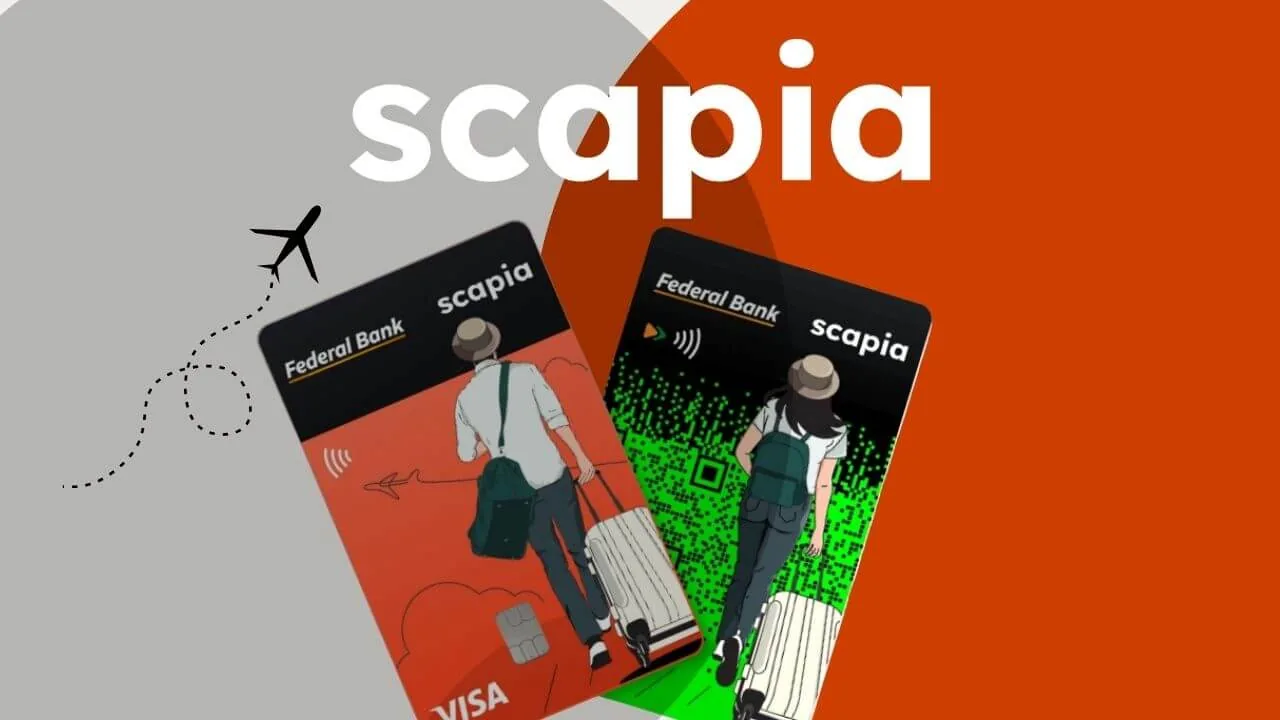
Corporate model integrates co-branded credit cards, developed in partnership with Federal Bank and BOBCARD, alongside a digital travel platform that aggregates flights, hotels, visas, trains, buses, and experiential leisure packages.
Operational metrics shared by the company indicate a significant scale up in transaction volumes. Flight bookings through the platform have grown five to six times year on year, while hotel bookings have increased nearly eight times during the same fiscal period.
Company indicated that its co-branded cards have registered transactions across 113 currencies in 174 countries.
Furthermore, the fintech firm has developed a dual network credit card infrastructure in India that supports both Visa and RuPay processing networks, expanding its domestic reach to consumers across more than 17,500 pincodes.
Financial Performance
This expansion is reflected in the financial performance of the firm for the fiscal year ended March 2025. Operating revenue increased by 71% to Rs 29 crore, up from Rs 17 crore recorded in the fiscal year 2024.
Concurrently, the net loss of the company narrowed to Rs 83 crore in the fiscal year 2025 from Rs 88 crore in the previous fiscal year, demonstrating marginal improvements in unit economics even as marketing and technology investments scaled up.
"The decision to initiate this Rs 20 crore liquidity window reflects a commitment to reward the team that has driven the rapid scaling of the platform," said Anil Goteti, Founder of Scapia. He noted that as the business expands the travel ecosystem and strengthens financial partnerships, aligning employee incentives with institutional growth remains a priority for the management.
ESOP Liquidity Trends
Development places Scapia within a broader cohort of Indian technology startups that have offered secondary liquidity to employees through buyback mechanisms this year. Market data indicates that nine startups have collectively executed employee stock option buybacks worth more than USD 270 million in 2026.
This group includes prominent names such as BrowserStack, Innovaccer, CoinDCX, Unacademy, Tractor Junction, Emversity, Cashfree Payments, Plum, and Kratikal. Separately, e-commerce major Flipkart also recently approved a discretionary liquidity event projected to be worth approximately USD 25 million.
Fresh trend indicates a returning maturity in the Indian startup ecosystem, where companies are utilizing fresh capital infusions not just for customer acquisition, but also to provide tangible financial returns to early employees.
Analysts view these ESOP buybacks as crucial talent retention tools during periods of intense competition for specialized engineering and product management professionals.
Long-term outlook for Scapia depends on its ability to sustain booking momentum while managing the high credit underwriting costs associated with card distribution. As the fintech firm attempts to transition into a full stack travel utility, the capital efficiency of its credit portfolio and the retention of its core execution team will be heavily monitored by its institutional backers.
About Scapia
Scapia is a Bengaluru based travel fintech startup that provides integrated financial and travel booking solutions to Indian consumers. The company operates a proprietary digital platform enabling users to book flights, hotels, and ancillary travel services while accessing credit through specialized co-branded cards.
By partnering with major banking institutions, the firm delivers specialized cross border transactional capabilities and domestic financial services designed to streamline consumer travel expenditures.