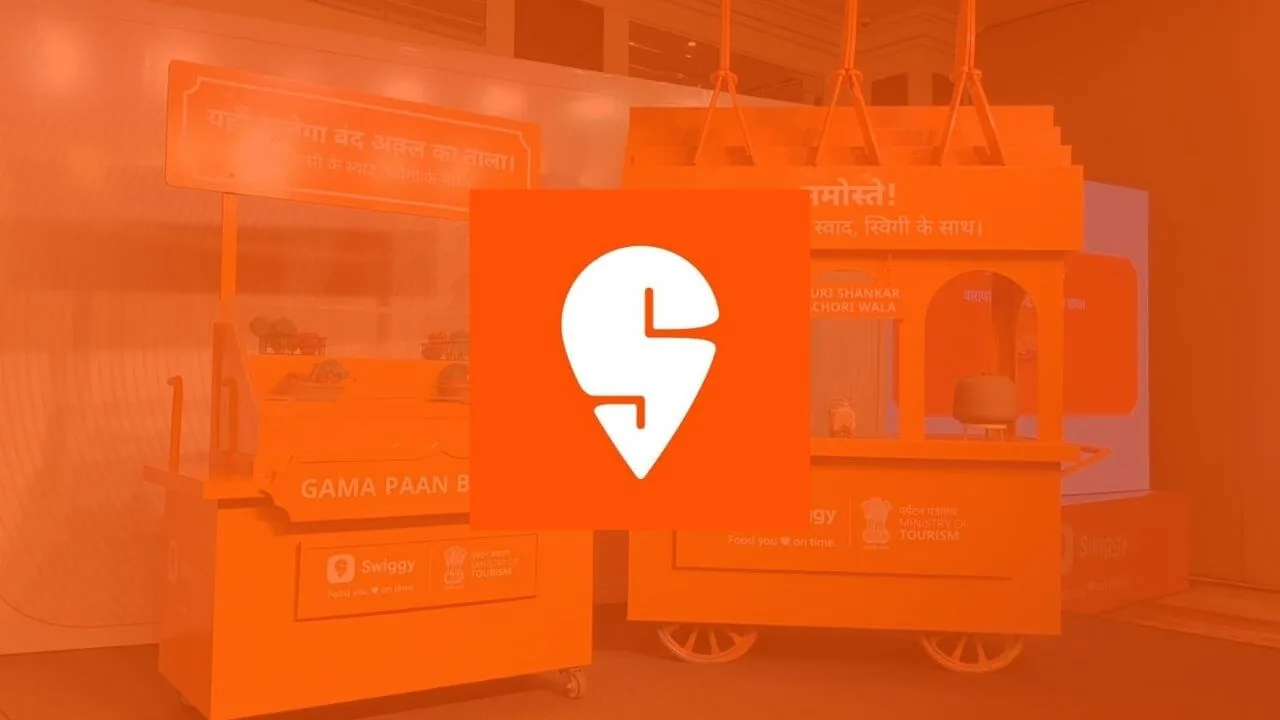
Food delivery major Swiggy has entered into a strategic partnership with the Ministry of Tourism, Government of India, and the Varanasi Nagar Nigam to launch a localized culinary project titled ‘Varanasi ka Swaad, Swiggy ke Saath’. The initiative is aimed at digitizing and providing standardized consumer access to historical local food establishments for both visiting tourists and residents.
The public-private partnership was officially launched in the presence of Chief Guest Ravindra Jaiswal, Minister of State (Independent Charge) for Stamp, Court Fee and Registration, Uttar Pradesh. The initial phase of the rollout focuses on integrating traditional street vendors and legacy food operators into organized commercial channels, balancing modern delivery infrastructure with heritage preservation.
Integrating Vendors
Under the framework of this development, twelve iconic local food outlets were formally recognized and integrated into the project. The listed establishments include well-known regional names such as Popular Baati Chokha, Chachi ki Prasiddh Kachori, Laxmi Chai, Pahalwan Lassi, Gama Paan Bhandar, Kaashi Chaat Bhandar, Neelu Kachori, Taste King, Pathak Ji Thandai Waala, Netaji Paan Bhandar, Gauri Shankar Kachori Wala, and Banarasi Paan Mandir (Luxa).
To establish quality compliance and brand trust, the Ministry of Tourism handed over formal certification plaques to these outlet operators, signifying heritage and quality assurance. Furthermore, the operational blueprint includes positioning specially designed traditional pushcarts across highly trafficked locations along the riverfront, specifically at Namo Ghat, Assi Ghat, and Dashashwamedh Ghat. These mobile units will serve as physical distribution points for items sourced directly from the certified eateries.
Regional Cuisine
The project aligns with broader state-level economic policies designed to turn local cultural assets into structured tourism drivers. The administration aims to leverage tech platforms to scale the visibility of localized micro-entrepreneurs who have historically operated entirely in the unorganized sector.
This project fits into the UP Govt's One District, One Cuisine (ODOC) framework. The policy seeks to promote Varanasi’s food culture.— Satyendra Kumar, DM, Varanasi
“Varanasi’s food traditions are a reflection of its history, culture and the creativity of its people,” said Bhuvnesh Kumar, Secretary, Ministry of Tourism, Government of India. “The city’s iconic delicacies, prepared by generations of local vendors and eateries, are an important part of its tourism appeal. We welcome Swiggy’s initiative to support these culinary ambassadors by providing them a platform to reach a larger audience, including visitors exploring the city. Such collaborations play an important role in preserving local food heritage while creating sustainable opportunities for our food entrepreneurs.”
Adding administrative context, Satyendra Kumar, DM, Varanasi, noted that the project fits into the Uttar Pradesh government's 'One District, One Cuisine' (ODOC) framework. The policy seeks to promote Varanasi’s food culture—including specific items like Paan, Malaiyo, Kachori, and Lassi Thandai—to a global tourist base. "With the initiative by Swiggy, the city’s traditional food culture will get further visibility amongst tourists and locals, and in turn, help further establish recall for them," he stated.
Hyperlocal Supply
For food delivery platforms like Swiggy, expanding into cultural tourism hubs requires localized logistics strategies that differ significantly from standard metropolitan operations. Managing high-density tourist locations like the Varanasi ghats introduces specific supply-chain challenges, requiring a mix of stationary pushcarts and optimized delivery tracks.
“Food is an integral part of a city’s cultural heritage and we are confident that this initiative will go a long way in promoting the local and iconic delicacies of the city to millions of tourists who visit the holy city,” said Rohit Kapoor, CEO, Swiggy Food Marketplace. “Swiggy stands for convenient access, and with this partnership, we are thrilled to get more customers to explore the culinary heritage of this beautiful city. I extend my heartfelt gratitude to the Ministry of Tourism, Government of India and the Varanasi Nagar Nigam for their unwavering support in helping us bring this vision to life.”
The corporate strategy reflects a broader trend among Indian internet companies seeking deeper market penetration in Tier-II and Tier-III cities through state-assisted onboarding programs. By associating with regional governance structures, consumer internet brands can lower trust barriers among traditional vendors and unlock new hyper-local supply pools.