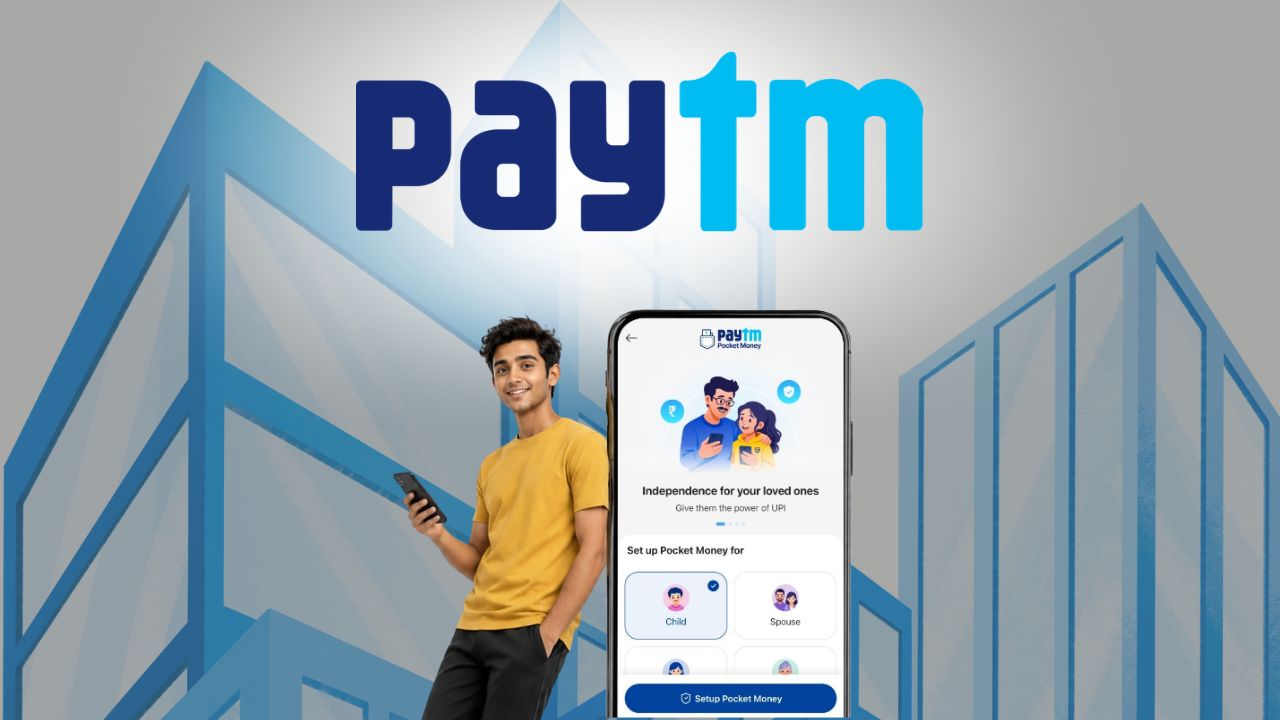
One97 Communications, the parent company of Paytm, has rolled out ‘Pocket Money,’ a digital payment feature allowing teenagers to make UPI transactions without holding a bank account. Built on the National Payments Corporation of India’s (NPCI) UPI Circle framework, the tool permits parents to grant controlled spending access to minors via the Paytm application.
The move marks Paytm’s formal entry into the under-18 financial services segment, a territory previously dominated by niche neo-banking startups. By leveraging the central payments infrastructure, the platform enables teenagers to independently handle daily expenses like school canteens, metro commutes, cab rides, mobile recharges, and retail shopping.
How to Operate?
Under the operational guidelines, individual transactions through the feature are capped at Rs 5,000, while the maximum monthly allowance is restricted to Rs 15,000 across the UPI network. The service links directly with existing savings and current accounts. However, it blocks international transactions and cash withdrawals to mitigate financial risks.
To prevent initial fraud, the feature enforces a strict cooling-off period, restricting transactions to Rs 500 during the first 30 minutes post-setup, and capping total spend at Rs 5,000 within the first 24 hours. A device lock is mandatory on the minor's phone.
Unlike traditional arrangements that require continuous manual approval for every transaction, the feature allows minors to pay directly from their own devices. This eliminates the need for one-time passwords (OTPs) or sharing QR code screenshots over messaging channels.
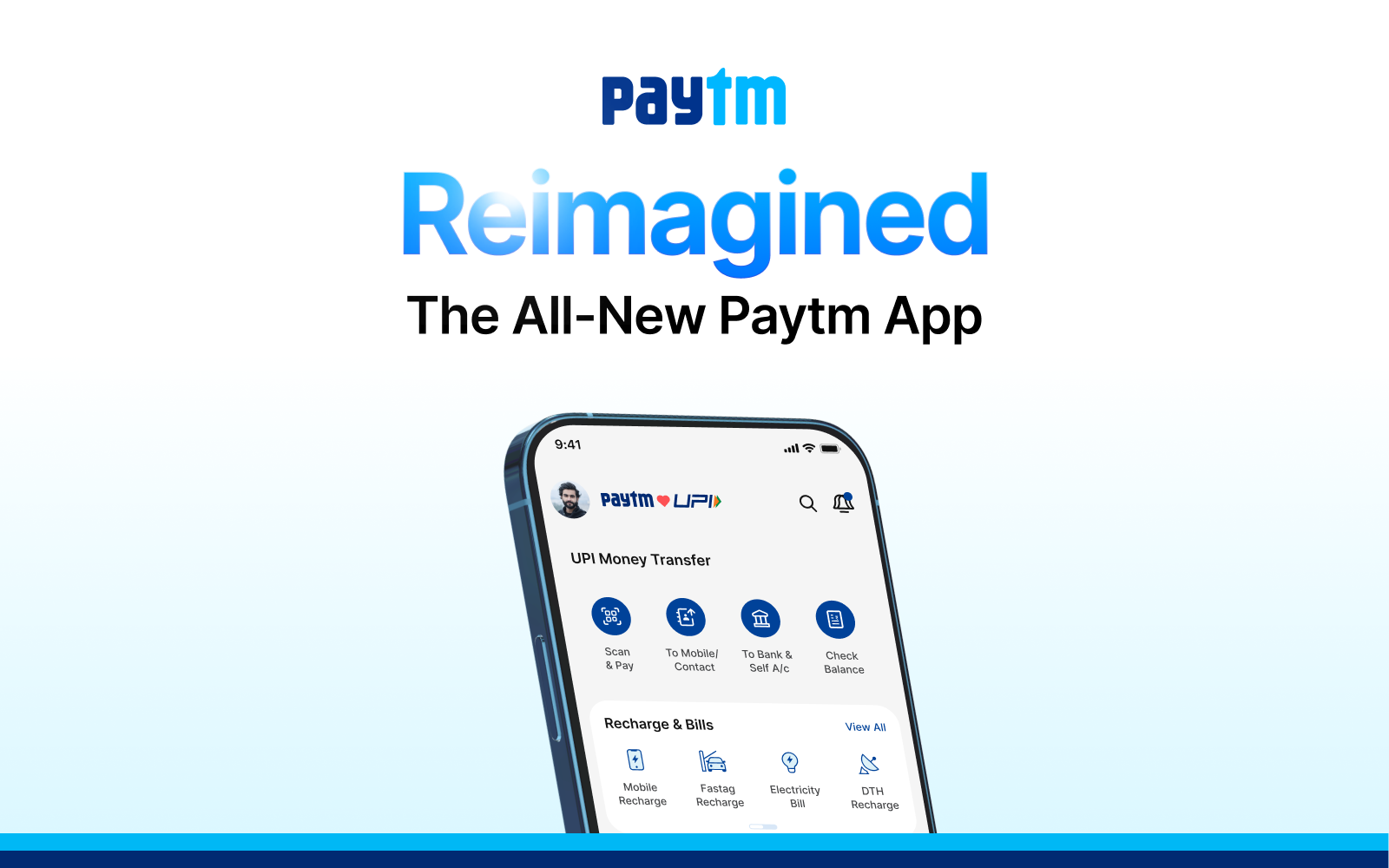
"The primary objective is to offer a secure, digital alternative to cash allowances while keeping parents firmly in the driver’s seat. Families can monitor transactions in real time, modify spending thresholds, or revoke access instantly using their Paytm UPI PIN," a company statement stated.
To assist households in budgeting, Paytm has integrated this framework with its 'Spend Summary' tool. The system automatically categorises expenditures, giving families a breakdown of where the money goes and helping minors develop early financial discipline.
Market Dynamics
The teen-focused fintech sector in India has seen a steep climb over the past few years. Early movers like FamPay (now Fam), Walrus, and Junio initially captured the market by deploying prepaid payment instruments (PPIs) and co-branded cards for minors.
However, the sector faced a severe bottleneck when the Reserve Bank of India (RBI) tightened its stance on co-branded PPI-based UPI arrangements. Startups lacking independent PPI licences saw their operational pipelines disrupted, leading to a massive cash leak in user acquisition momentum for platforms like FamPay, Akudo, and Muvin.
By utilizing the NPCI’s delegated payments architecture instead of the troubled PPI route, Paytm bypasses the compliance hurdles that crippled earlier fintech models. The system relies entirely on the parent’s authenticated bank relationship rather than forcing a minor to open a fresh account.
"Building directly on the UPI Circle framework ensures the product complies with the latest regulatory mandates. It resolves the core friction point for parents who want to give their children financial independence without dealing with the administrative hassle of opening new bank accounts," the company spokesperson added.
The feature has been deployed across the latest updates of the Paytm application on both Android and iOS platforms, positioning the firm to contest a demographic that traditional banking institutions have historically struggled to onboard efficiently.