Bata India reported a 5% year-on-year increase in revenue to Rs 8,276 million for the fourth quarter of fiscal year 2026, signaling an end to a prolonged period of stagnant sales. However, the footwear major continues to face severe pressure on its bottom line, with reported net profit declining by over 95% compared to the corresponding quarter of the previous fiscal. This sharp drop was primarily driven by significant operational one-off costs that obscured the company's underlying profitability trends.
Investor skepticism regarding the pace of earnings recovery is reflected in the stock performance, which currently trades significantly below its 52-week high of Rs 1,288. The current price-to-earnings (P/E) ratio hovers near 64x, indicating that the market has priced in a recovery that is yet to be validated by sustained margin expansion over consecutive quarters.
Inventory Efficiency
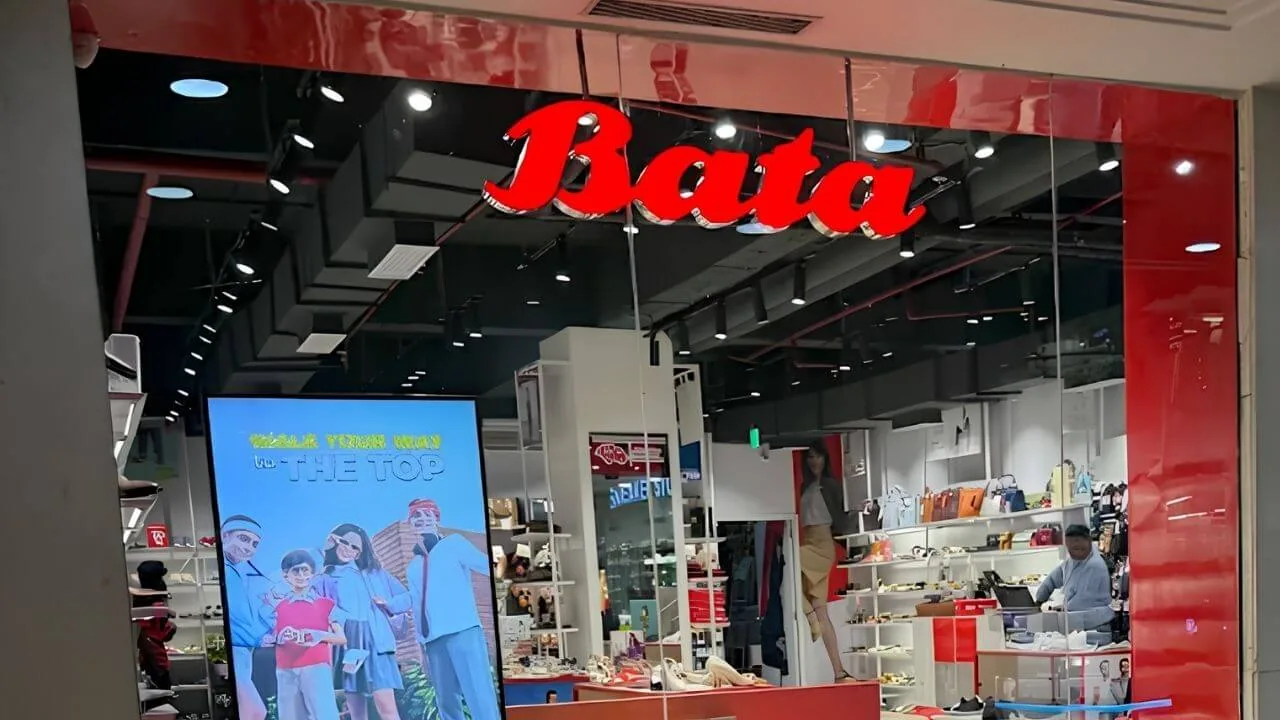
In response to the persistent margin strain, the management has initiated an operational reset focused on product premiumization and a streamlined inventory strategy. Gross inventory was reduced by 13% year-on-year during the quarter, a move aimed at improving working capital efficiency. The company is also expanding its franchise footprint with an ultimate target of reaching 1,000 stores.
Despite these measures, the competitive environment in the domestic footwear sector remains intense. While more agile peers have maintained stronger margin profiles, Bata India is still navigating the headwinds of a gradual recovery. Structural challenges persist, as the company’s Return on Equity (ROE) remains in the low double digits, trailing behind several high-growth retail competitors.
"The reduction in gross inventory by 13% is a deliberate step toward improving working capital efficiency. While the competitive environment remains intense, the focus is firmly on an operational reset through product premiumization and expanding the franchise footprint to 1,000 stores," a senior management official stated.
Brokerages Caution
The reliance on extensive physical retail expansion poses execution risks at a time when consumer behavior is increasingly shifting toward digital-first channels. This structural shift, combined with weak financial efficiency metrics, has led to a change in market sentiment. Recent analyst coverage has frequently shifted toward 'Neutral' or 'Sell' ratings, noting that the brand's financial metrics have failed to reclaim top-tier status despite its strong household positioning.
The leadership team faces dual pressure to demonstrate that current product innovations are driving higher-margin sales rather than merely defending market share. Observers note that the recovery is likely to be gradual rather than a sharp turnaround.
"The volume growth seen in the fourth quarter is a positive indicator after several quarters of stagnation. However, the dual pressure remains to prove that product innovation can drive higher-margin sales rather than just maintaining market share in a highly competitive market," the company source added.
Long-Term Outlook
Looking ahead, consensus estimates point toward a measured recovery for the footwear manufacturer. Financial projections through FY28 suggest a revenue Compound Annual Growth Rate (CAGR) of 4% and an EBITDA CAGR of 7%. The brokerage community remains watchful of the company’s omnichannel execution and inventory optimization efforts. For investors, the critical metric to monitor will be whether the volume growth achieved in Q4 can be sustained and successfully converted into meaningful margin expansion in the upcoming fiscal year.