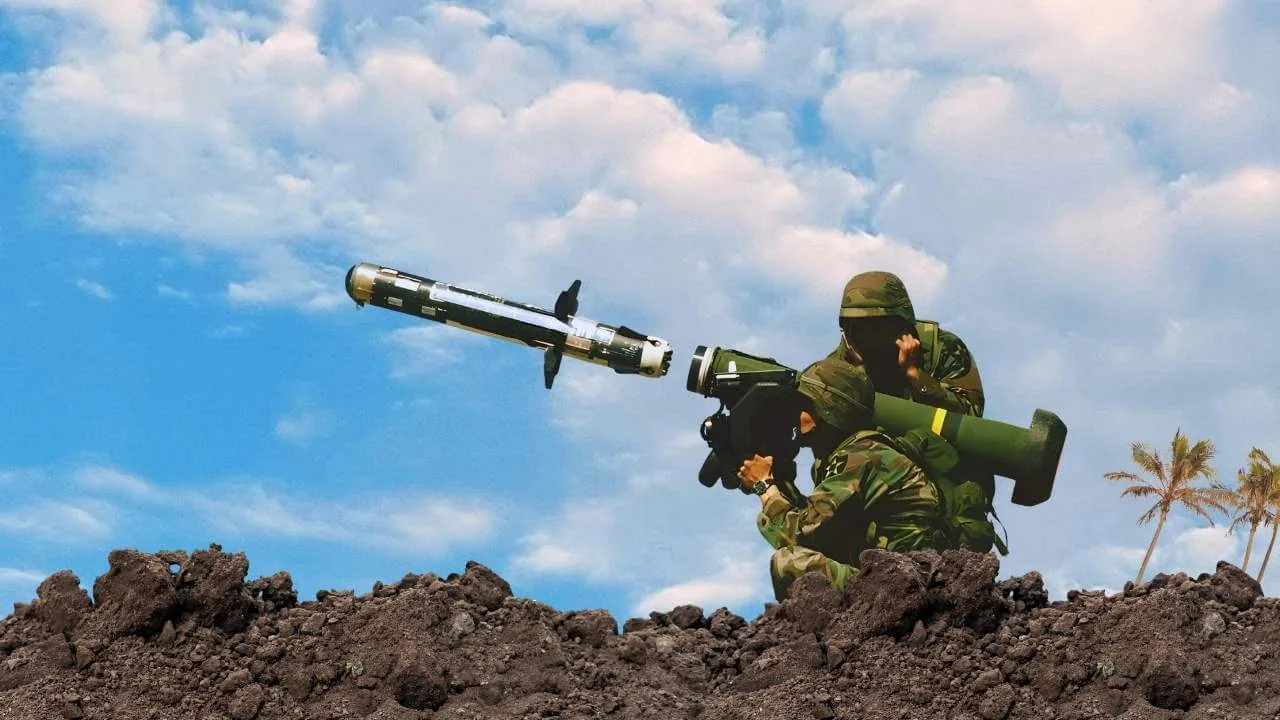
Tata Advanced Systems Limited (TASL), the aerospace and defence arm of the Tata Group, signs a Memorandum of Understanding (MoU) with the Javelin Joint Venture to explore co-producing Javelin All Up Round missiles in India. The Javelin Joint Venture brings together Raytheon, an RTX business, and Lockheed Martin.
Under the proposed arrangement, TASL becomes the prime Indian partner for potential future Javelin production. The companies plan to study the setting up of a final assembly and integration facility in India, along with local manufacturing of selected components.
Defence Production in India
The proposed production model connects existing manufacturing facilities in the United States with final assembly work in India. Lockheed Martin facilities in Troy, Alabama, will produce sub-assembly kits, while Raytheon facilities in Tucson, Arizona, will manufacture guidance electronics units.
These components will then be sent to India for final assembly and integration. The companies say the arrangement can increase local manufacturing skills while continuing to support the existing US supply chain.
Planned facility could create more high-technology jobs in India and give local suppliers greater experience in advanced defence manufacturing. The companies also expect the arrangement to strengthen the global supply chain for the Javelin system as international demand increases.
Proposed co-production model is also aimed at supporting faster delivery of Javelin systems and improving readiness among partner countries in the Indo-Pacific region. Higher production volumes could potentially improve manufacturing efficiency and affordability across the wider programme.
Javelin Supply Chain
Rich Liccion, vice-president of the Javelin Joint Venture and programme director for Lockheed Martin Javelin, says the proposed Indian facility represents an important step towards building a stronger supply chain for the anti-tank weapon system.
“Partnering with Tata Advanced Systems Limited to establish a dedicated Javelin final assembly and integration facility in India is a pivotal step in ensuring a resilient supply chain for this critical anti-tank weapon system,” Liccion says.
Jenna Hunt Frazier, president of the Javelin Joint Venture and Javelin programme director at Raytheon, says the agreement creates “a foundation to strengthen the global supply chain for Javelin”. She adds that the arrangement can support faster fielding and continued readiness for partner nations.
Partnering with Tata Advanced Systems Limited to establish a dedicated Javelin final assembly and integration facility in India is a pivotal step in ensuring a resilient supply chain for this critical anti-tank weapon system.— Rich Liccion, VP, Javelin JV
For TASL, the agreement adds another important step to its relationship with Lockheed Martin and Raytheon. Sukaran Singh, CEO and managing director of Tata Advanced Systems, says the initiative brings assembly expertise and knowledge transfer into India defence manufacturing.
“This initiative brings critical assembly expertise and knowledge transfer into India's defence industrial ecosystem, while strengthening self-reliance,” Singh says. He adds that local assembly can improve operational readiness and provide timely access to the Javelin system for the Indian Armed Forces.
The companies also see the arrangement as a way to deepen cooperation between the Javelin Joint Venture and Indian defence companies. They say greater participation from Indian industry can support interoperability and wider defence initiatives across the Indo-Pacific.
Proposed Indian facility does not replace the existing US manufacturing network. Instead, the model combines production activities in both countries. Lockheed Martin and Raytheon continue to manufacture important parts of the system in the US before those components move to India for final assembly and integration.
Javelin system is developed and produced by the Raytheon-Lockheed Martin joint venture. According to the joint venture, more than 55,000 Javelin missiles and over 12,000 reusable Command Launch Units have been produced.
Joint Venture vs Partnership
A joint venture generally involves two or more companies working together on a defined business activity, often through shared investment, responsibilities or ownership. A partnership is a broader term that can describe companies cooperating on a project without necessarily creating a jointly owned business.
In this case, the Javelin Joint Venture is the established business relationship between Raytheon and Lockheed Martin that develops and produces the weapon system. The MoU with Tata Advanced Systems is a separate industrial cooperation arrangement focused on exploring production and assembly in India.
Proposed Javelin manufacturing arrangement comes as India continues to expand domestic defence production and encourage greater participation from private companies. For TASL, involvement in a globally used defence programme can provide an opportunity to build specialised manufacturing capabilities and strengthen its role in international aerospace and defence supply chains.
Final production structure, facility plans and manufacturing scope will depend on further discussions and applicable approvals. If implemented, the arrangement could give India a larger role in the Javelin supply chain while connecting Indian manufacturing capabilities with established US production operations.