Zoho co-founder and Chief Scientist Sridhar Vembu has called for a change in India employment approach, arguing that entrepreneurship and self-employment need a bigger role as artificial intelligence (AI) and automation put pressure on traditional salaried jobs.
Vembu shared his views while resharing a post on social media platform X about rising youth unemployment in China. He said the existing education and economic systems largely prepare young people for regular salaried employment, even as opportunities in this segment face growing pressure.
According to Vembu, India needs to look beyond large companies as the main source of employment and create conditions that allow more people to start businesses or work independently. "What is the solution? Dramatic gains in entrepreneurship and self-employment," he wrote. "Policymakers must pay heed."
Vembu Flags Job Risks
Vembu argued that the traditional model of education prepares students mainly for jobs that offer a regular salary. However, he believes this approach needs to change as automation and AI begin affecting different types of work.
He described the demand for a "steady paycheck" as a major expectation built into modern education and economic systems. According to him, such jobs are not growing at the same pace and could face further pressure as businesses adopt new technologies.
His remarks highlight a wider debate about how countries should prepare young people for changing employment conditions. While salaried jobs remain an important part of the economy, entrepreneurship and self-employment could provide additional opportunities for people entering the workforce.
China Job Crisis
The discussion comes amid concerns about employment opportunities for young people in China. According to data from the National Bureau of Statistics of China, the unemployment rate among people aged 16 to 24, excluding students, stood at 18% in September 2026, compared with 18.9% in August.
Unemployment among people aged 25 to 29 reached 7.2% in August, according to the figures cited in the supplied information. These numbers point to continued employment challenges among younger sections of the workforce.
China is also preparing to absorb around 12.7 million university graduates into its job market in 2026, the highest number on record. The large number of new graduates is adding pressure to an employment market already dealing with slower growth in some sectors.
AI Adds Job Pressure
The post reshared by Vembu linked the employment situation in China to several factors, including a slowdown in the property sector, job cuts at technology companies and the growing use of AI in businesses.
It also claimed that some large Chinese employers had privately warned the government that wider AI adoption could eliminate 30% or more of their jobs. However, these claims were part of the reshared post and have not been independently verified.

The growing use of AI has raised questions about the future of entry-level jobs, particularly in areas where routine tasks can be handled by software. Companies are increasingly using automation to manage activities related to customer support, data processing, content creation and other business operations.
However, the overall impact of AI on employment remains uncertain. While some roles may be reduced or changed, new job opportunities could also emerge as businesses develop and adopt new technologies.
India Need Opportunities
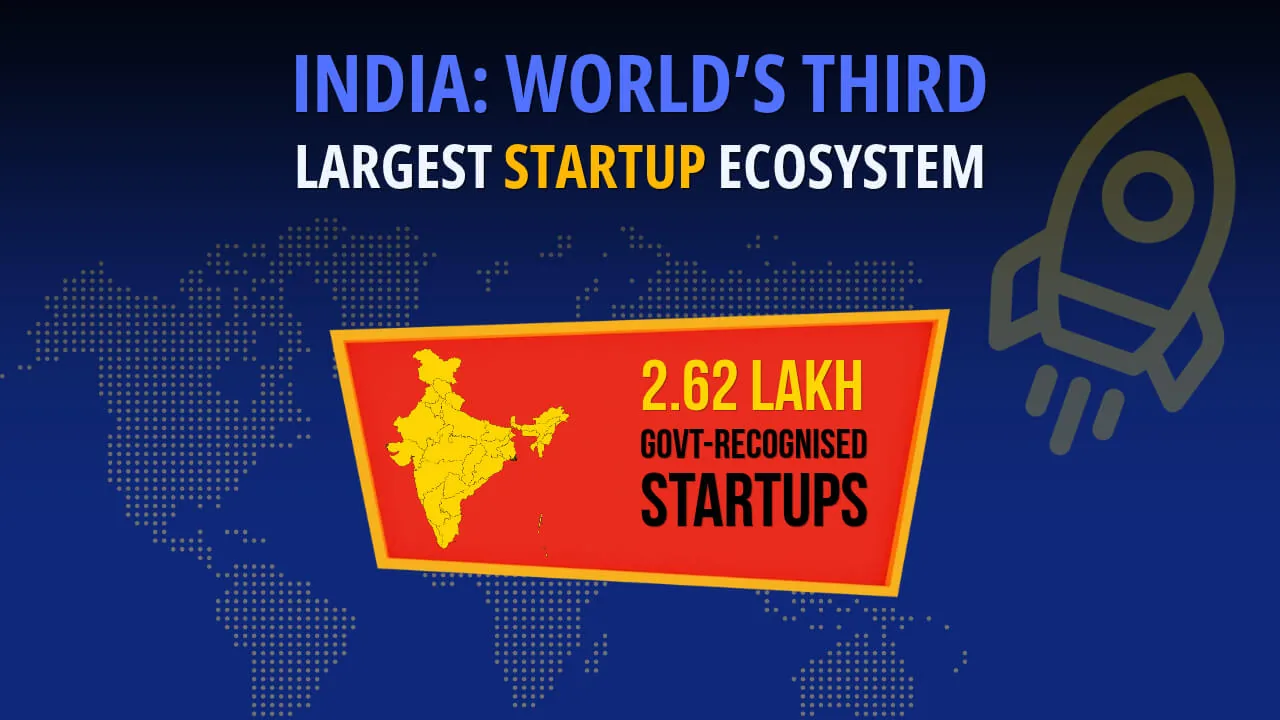
Vembu argument places entrepreneurship and self-employment at the centre of the employment debate. Rather than depending mainly on recruitment by large companies, he believes India needs more individuals who can create businesses and generate work independently.
This approach could include small businesses, technology startups, local enterprises and independent professionals. However, expanding these opportunities would also require access to finance, business training, market connections and a supportive policy environment.
The challenge for policymakers will be to ensure that young people have more than one route into the workforce. Formal employment, small businesses and self-employment may all need to contribute to job creation as technology changes the structure of the economy.
Know About Zoho
Zoho was founded in 1996 as AdventNet, Zoho Corporation was co-founded by Sridhar Vembu, Tony Thomas and other early team members. The company later adopted the Zoho name and expanded into cloud-based business software. It provides subscription-based software services covering customer relationship management, accounting, human resources, office productivity and business operations.
Business model of Zoho primarily focuses on selling software subscriptions to individuals, small businesses and large organisations. Zoho has also followed a largely bootstrapped growth model rather than depending on regular venture capital funding.
Vembu remarks come at a time when governments and businesses are examining how AI, automation and changing economic conditions could affect future employment. For India, the debate is not limited to protecting existing jobs but also concerns creating new opportunities for a growing workforce.