GVFL has invested Rs 3 crore in Bengaluru-based technology startup Edgeverse India Pvt Ltd, backing its work in edge artificial intelligence and mobility safety. The funding is expected to help the startup strengthen product development and move its technology closer to commercial use.
Edgeverse is developing an AI-based perception system that uses cameras, radar and other sensors to understand road conditions in real time. The company is focusing particularly on Indian roads, where traffic patterns, road quality and driving conditions can differ sharply from those in other markets.
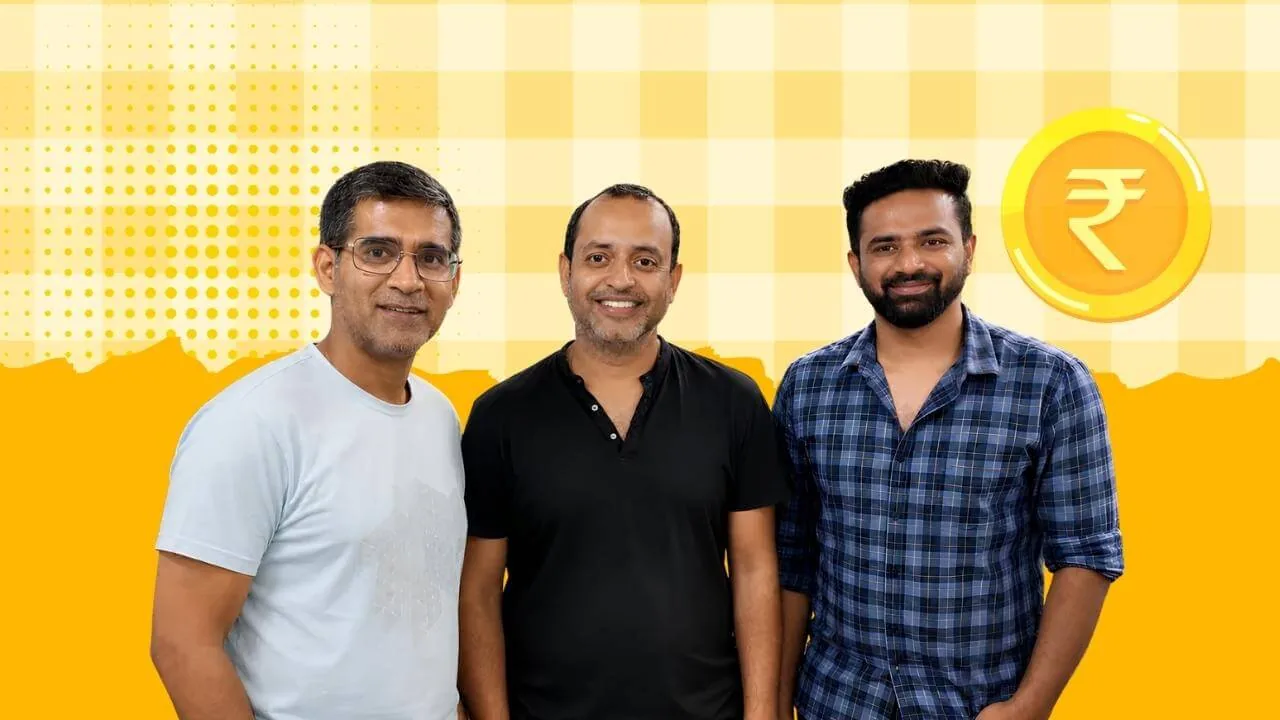
Founded in 2023 by Arindam Ghosh, Subrata Debnath and Navaneeth A, Edgeverse is building a hardware-agnostic perception stack. The system combines edge AI with cameras and radar to help vehicle makers and Tier-I suppliers add safety and perception features to their products.
Plans to Use New Funding
The startup plans to use the latest investment to develop a large road-data set covering Indian driving conditions, improve its camera and radar technology and support the commercialisation of its AI-powered perception products.
Its flagship product, Perceiva ARAS, is an Advanced Rider Assistance System software stack designed for camera- and radar-based applications. Edgeverse is also working on a more complete ARAS system that combines processor hardware, sensors and its own perception software.
The company has also developed Perceiva DMS, a camera-based Driver Monitoring System for commercial vehicles. Alongside this, it is building a radar perception stack to support vehicle safety applications.
India provides a large potential market for such technology. The country has an estimated 375 million to 400 million two-wheelers on its roads and remains the world’s largest two-wheeler market as well as a major producer.
Data from the Society of Indian Automobile Manufacturers shows that domestic two-wheeler sales reach 21.7 million units in FY2025-26, the highest annual level recorded for the segment. Exports also reach 5.18 million units during the same financial year.
GVFL Managing Director Mihir Joshi says Edgeverse operates at the intersection of edge AI, perception and mobility safety. He also points to the startup’s work across software and hardware and its focus on Indian road conditions as important strengths in the mobility technology market.
Startup Builds Local Stack
Edgeverse initially focuses on making two-wheelers safer through real-time sensing and intelligent alerts. It develops its own processor board and camera module and carries out road testing for features such as front- and rear-collision detection.
The startup has demonstrated its technology to potential customers, including Ather, and is engaging with companies across the mobility and technology ecosystem. These include Cavli and Qualcomm. Such partnerships could help Edgeverse test and improve its technology before wider commercial deployment.
The GVFL investment follows earlier support from ARTPARK, which provides Rs 1.85 crore in seed funding to Edgeverse. The startup is also selected as one of the winners of the NASSCOM Mobility Innovation Challenge 2025.
Arindam Ghosh, co-founder and CEO of Edgeverse, says the company is using the new funding to accelerate product development and move towards commercial deployment. He adds that the long-term aim is to make edge intelligence more accessible and develop technology in India that can compete in global markets.
Commercial Deals Target
Over the next six to 12 months, Edgeverse plans to build an Indian road dataset covering 100,000 kilometres. It also plans to develop a 2MP camera and a 77 GHz radar module while working to secure multiple commercial agreements for its ARAS and DMS products.
The planned dataset could become an important part of the startup’s technology development because AI-based vehicle systems need large amounts of real-world road data to identify traffic situations, vehicles, pedestrians and other road conditions accurately.
The investment also reflects growing interest in AI startups in India working on specialised industrial applications. Rather than focusing only on general-purpose AI tools, companies such as Edgeverse are applying artificial intelligence to areas including mobility, manufacturing, healthcare and safety.
For Edgeverse, the immediate challenge is moving from testing and demonstrations to repeatable commercial deployments. Its ability to build reliable hardware, collect useful Indian road data and convert pilot projects into customer contracts will be key to its next stage of growth.