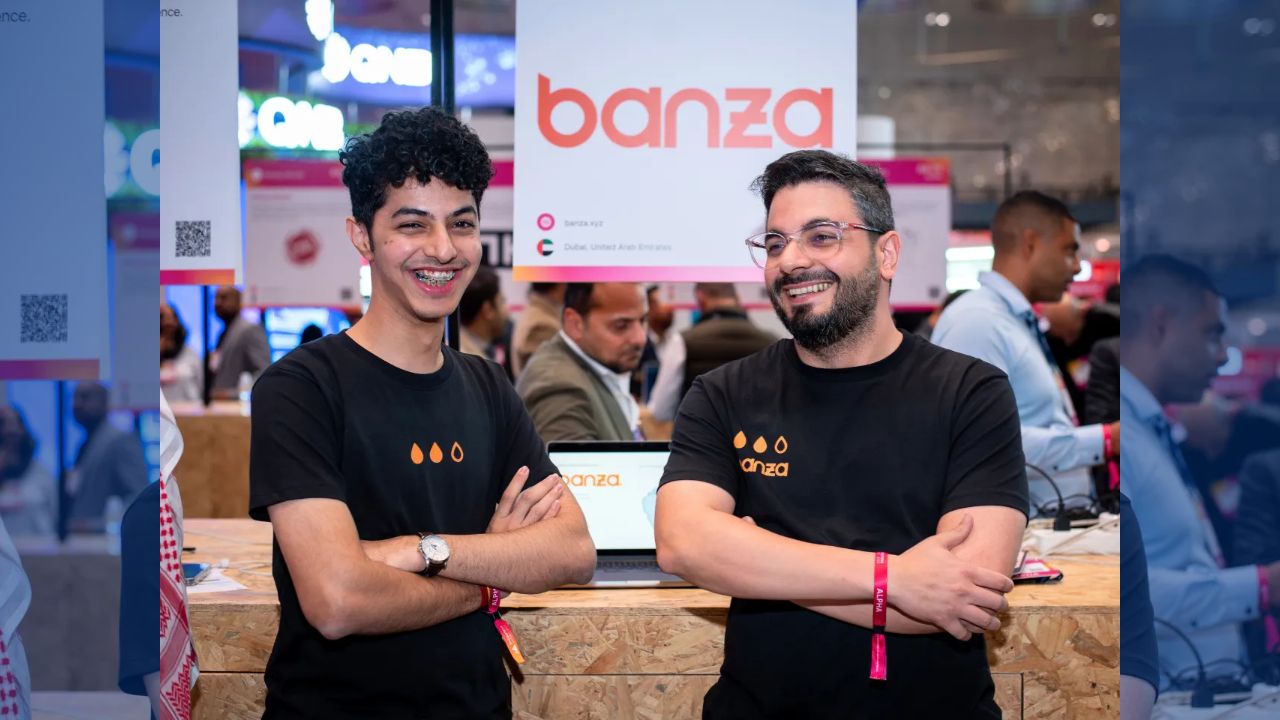
AI startup Banza has secured $1 million in a pre-seed funding round as it attempts to move the needle on how personal data is utilized for daily decisions. The investment round was led by Campus Fund, with participation from Avalanche and a group of prominent angel investors.
The startup is positioning its core product as a "Personal AI Twin"—a system engineered to absorb a user’s habits, specific preferences, and contextual nuances over time. Unlike general-purpose chatbots, Banza is focusing on building a digital shadow that lives with the user rather than within the silo of a specific delivery or streaming application.
Cracking Platform Bias
The current digital economy is built on a framework where recommendations are often a byproduct of a platform’s internal inventory. Food delivery apps prioritize restaurants within their commercial reach, and streaming services push content that keeps users tethered to their specific libraries. Banza’s thesis is built on the premise that these recommendations serve the platform’s bottom line rather than the user’s best interest.
By creating a system that sits above these individual services, the startup aims to provide a unified intelligence layer. The goal is to eliminate the fragmented nature of modern apps, where every service only sees a small slice of a person’s digital life.
Ownership and Intent
At the heart of Banza’s pitch is the concept of data sovereignty and long-term utility. The "Twin" is designed to assist in mundane yet high-frequency decisions—what to eat, what to watch, where to go, and what to buy—by learning patterns that eventually lead to proactive suggestions.
"Most recommendations today are shaped by what works for the platform, not what truly works for the person," said Aditya Vijaykumar, CTO at Banza. "Each service sees only a fragment of who you are, which makes the experience biased, siloed, and incomplete. We believe people should be able to build and own an AI Twin that understands them more deeply over time and works in their favor across everyday decisions."
Funding Plans
With a reported user base of over 2 lakh, Banza plans to deploy the fresh capital to harden its technical foundation and accelerate product development. A significant portion of the funds will be directed toward improving the user experience and expanding the engineering team to handle the complexities of cross-platform integration.
The startup is betting on a steep climb in the adoption of "sovereign AI," a category where the user, not the provider, owns the underlying intelligence. While large language models have shown their strength in answering queries, Banza is betting that the real value lies in "contextual depth"—an AI that knows your health goals, your budget, and your taste better than a third-party marketplace does.
What Next?
As Banza scales, the challenge will lie in how seamlessly it can interface with existing ecosystems without being blocked by the very "walled gardens" it seeks to bypass. However, the backing from Campus Fund and Avalanche suggests a growing investor appetite for startups that are trying to return the power of choice to the consumer.
The long-term play for Banza is to move beyond a simple recommendation engine and become a proactive personal assistant. If successful, it could signal a shift in the digital hierarchy, where the "AI Twin" acts as a gatekeeper for brands trying to reach the consumer, ensuring that only the most relevant options make the cut. For now, team is focused on proving that their personal AI can indeed work in the user's favor.